

Google Local Services Ads for Restoration Companies: Everything You Need to Know
Google Local Services Ads (LSAs) are a pay-per-lead advertising product designed specifically for local service businesses — and restoration companies are one of the eligible categories. Unlike standard Google Ads where you pay every time someone clicks your ad, Local Services Ads charge you only when a customer contacts you directly through the ad, either by calling or messaging.
LSAs appear at the very top of Google search results — above standard PPC ads, above the local map pack, and above organic results. They’re displayed in a card format with your business name, star rating, review count, and most importantly, the green ‘Google Guaranteed’ badge. That badge is not cosmetic. It signals to customers that Google has verified your business, checked your credentials, and stands behind the quality of your service.
For restoration companies, this combination of top placement, verified credibility, and pay-per-lead billing makes LSAs one of the highest-ROI advertising channels available.
The Google Guaranteed Badge: What It Is and Why It Matters
The Google Guaranteed badge is the cornerstone of the LSA program. It’s a visual trust signal that tells customers your business has passed Google’s verification process — and that Google will stand behind the quality of the work you do.
Specifically, Google Guaranteed means:
- Google has verified your business license and insurance
- Google has conducted background checks on your business and key personnel
- Customers who book through LSAs are eligible for Google’s satisfaction guarantee (up to a lifetime cap per customer)
For homeowners who are stressed, dealing with property damage, and searching for someone they can trust quickly, that green badge carries significant psychological weight. Studies have shown that LSA listings with the Google Guaranteed badge receive significantly higher call-through rates than standard ads — even when standard ads appear in the same search results.
Industry reality: Most homeowners don’t fully understand what the Google Guaranteed badge means — but they notice it. In a sea of search results, that green checkmark signals ‘vetted and trustworthy’ at a glance. In the restoration industry, trust is the conversion factor that matters most.

How the LSA Verification Process Works
To participate in Google Local Services Ads, restoration companies must complete a verification process that establishes your credibility with Google. Here’s what’s involved:
Business Verification Requirements
- Proof of valid business license (varies by state and service type)
- Proof of general liability insurance (minimum coverage levels apply)
- Proof of workers’ compensation insurance (required in most states)
- Business registration information
Background Check Requirements
- The business owner must pass a personal background check
- Any employees listed on the account who regularly interact with customers may also need background checks
- Background checks are conducted by a Google-approved third-party provider
License and Insurance Verification
- Contractor licensing is verified through state licensing boards
- Insurance certificates are reviewed for coverage type and minimum limits
- You’ll need to update your insurance certificate annually to maintain your Google Guaranteed status
The verification process typically takes 1–3 weeks from start to finish. The timeline depends on how quickly your documents are submitted and verified. Don’t let this timeline be a barrier — the sooner you start the process, the sooner you can start receiving leads.
Pro tip: Have all your licensing and insurance documents scanned and ready before you begin the verification process. Missing documents are the number-one reason for delays. Gather your general liability certificate, workers’ comp certificate, and business license before you even start your LSA profile.
Setting Up Your LSA Profile for Maximum Performance
Once verified, the completeness and quality of your LSA profile directly impacts where you appear in results and how many leads you receive. Google’s algorithm for LSA rankings favors profiles that are complete, active, and well-reviewed.
Business Information
- Business name: Use your exact legal business name
- Business description: Write a compelling 300-character description that highlights your key services, certifications, and what makes you different
- Business hours: Be accurate — Google may call to verify you’re open when you say you are
- 24/7 availability: If you offer emergency services around the clock, mark this clearly. It’s a significant ranking factor.
- Service area: Be specific. List the cities and ZIP codes you actually serve — don’t overextend your radius.
Services Offered
Check every water damage and restoration service you legitimately offer. Each checked service increases your eligibility to appear for relevant searches:
- Water damage restoration
- Flood cleanup
- Water extraction
- Drying and dehumidification
- Mold remediation (if licensed)
- Fire damage restoration
- Sewage cleanup
Photos
Add high-quality photos to your LSA profile. While LSA profiles show fewer photos than GBP, photos still contribute to your credibility. Include equipment photos, job site photos, and team photos.
How LSA Ranking Works
Understanding what drives your LSA ranking is essential to maximizing your leads. Google has disclosed that the primary ranking factors are:
Responsiveness
How quickly you respond to leads is the most controllable ranking factor in LSAs. Google tracks your average response time to calls and messages, and businesses with faster response times are ranked higher. For water damage restoration — where speed is the entire value proposition — this should be non-negotiable: answer every call, immediately.

Review Score and Volume
Your Google review rating and the total number of reviews you have both influence your LSA ranking. Reviews earned through your LSA campaigns count toward your overall profile. This creates a powerful feedback loop: more leads → more jobs → more reviews → higher ranking → more leads.
Budget
Google’s LSA algorithm considers your weekly budget when determining ad visibility. Businesses that consistently spend close to their weekly budget tend to rank higher than businesses that hit their budget early and go dark. Set a budget you can sustain, not an aspirational number.
Service Area Match
Google factors in how closely your service area matches the searcher’s location. This is why it’s important to set your service area accurately — including every city you actively serve — rather than a generic radius.
Managing Your Budget and Lead Disputes
One of the most powerful features of LSAs for restoration companies is the ability to control lead volume through budget management and dispute invalid leads for credits.
Budget Management
- Set your weekly budget based on how many jobs your team can handle. If you’re at capacity, pause your LSA ads — you can turn them back on in minutes.
- Google will sometimes suggest increasing your budget. Evaluate these suggestions based on your current capacity and close rate, not Google’s recommendation.
- Start conservatively and increase your budget as you validate your cost per lead and close rate.
Lead Disputes
Not every lead you’re charged for will be a legitimate prospect. LSAs allow you to dispute leads that don’t meet the program’s requirements. You can dispute and receive credits for:
- Calls from outside your service area
- Calls for services you don’t offer
- Spam calls or wrong numbers
- Calls where the customer was looking for a job, not a service
- Duplicate leads (same customer calling multiple times)
Dispute leads promptly — you have a window after the lead is received to submit a dispute. Keeping a clean lead record also contributes to better account health over time.
LSA math: If your average cost per lead is $45 and your average job revenue is $6,000 with a 50% close rate, your cost per booked job is $90. That’s exceptional economics for water damage restoration. The key is answering every call and disputing invalid leads.

Integrating LSAs with Your Overall Marketing Stack
LSAs work best when they’re part of a coordinated marketing strategy, not a standalone channel. Here’s how they integrate with the other water damage marketing strategies covered in this series:
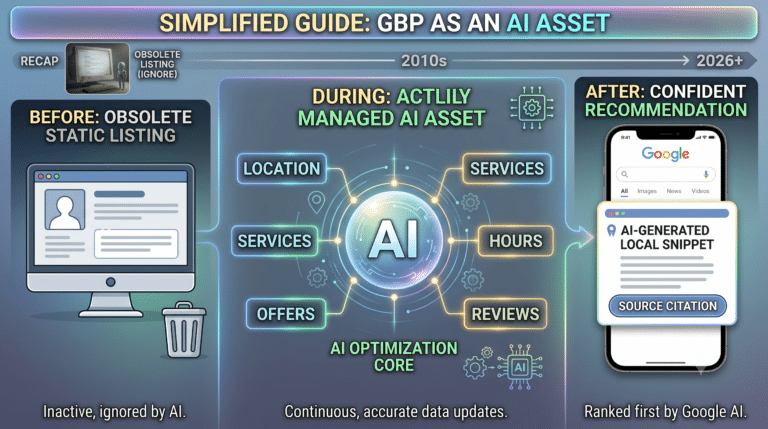
LSAs + Google Business Profile
Your LSA profile is linked to your Google Business Profile. A strong GBP with abundant reviews, complete information, and active posting directly improves your LSA performance. These two channels reinforce each other.
LSAs + Review Generation
Reviews collected through your LSA campaigns count toward your GBP rating and your LSA ranking simultaneously. A systematic review collection process (covered in our Reputation Management guide) creates compounding benefits across both channels.
LSAs + Google PPC
Running both LSAs and standard Google Ads simultaneously gives you maximum coverage across the top of the search results page. Some restoration companies run both channels and simply prioritize LSA budget for emergency keywords while using PPC for broader or lower-urgency searches.
Common LSA Mistakes Restoration Companies Make
- Slow response times — nothing destroys your LSA ranking faster than letting leads go unanswered
- Setting a service area that’s too broad — you’ll appear for searches outside your actual coverage and waste budget
- Not disputing invalid leads — lost money and account health degradation
- Ignoring the review acquisition loop — LSA leads who become happy customers should be asked for reviews
- Setting a budget and never revisiting it — adjust based on capacity, seasonality, and performance data
- Not verifying your profile is fully active after going through verification — check your profile status regularly
LSAs vs. Google PPC: Which Is Right for Your Restoration Company?
Both channels can be highly effective for restoration companies — but they serve slightly different functions:
- LSAs are better when: You want pay-per-lead billing, you have strong reviews, and you have fast response times
- Google PPC is better when: You want more control over targeting, creative, and landing page experience
- Running both is better than either alone: Full top-of-SERP coverage with two different cost structures
Most established restoration companies benefit from running both channels simultaneously. LSAs generate high-trust, low-cost leads. PPC generates immediate volume with more targeting control. Together, they create a dominant paid search presence that’s very difficult for competitors to match.
How Justified Media Sets Up and Manages LSAs for Restoration Companies
Google Local Services Ads seem simple on the surface — but the difference between a well-managed LSA account and a poorly managed one is dramatic. Justified Media handles everything from initial verification support to budget management, lead dispute filing, review strategy integration, and performance reporting.
Our founder spent years in the restoration industry before starting Justified Media. We know what a legitimate restoration lead looks like, what a fake one looks like, and how to build LSA accounts that generate consistent, profitable jobs — not just lead volume.
Justified Media specializes exclusively in restoration company marketing. We handle the full LSA setup, verification support, and ongoing management — so you can focus on running jobs.